Models already on the ground
In recent years, as more clean and green production models have been rolled out, the share of agricultural and aquaculture produce that is clean and traceable has grown steadily. Farmers are paying attention to green models and joining them in growing numbers.
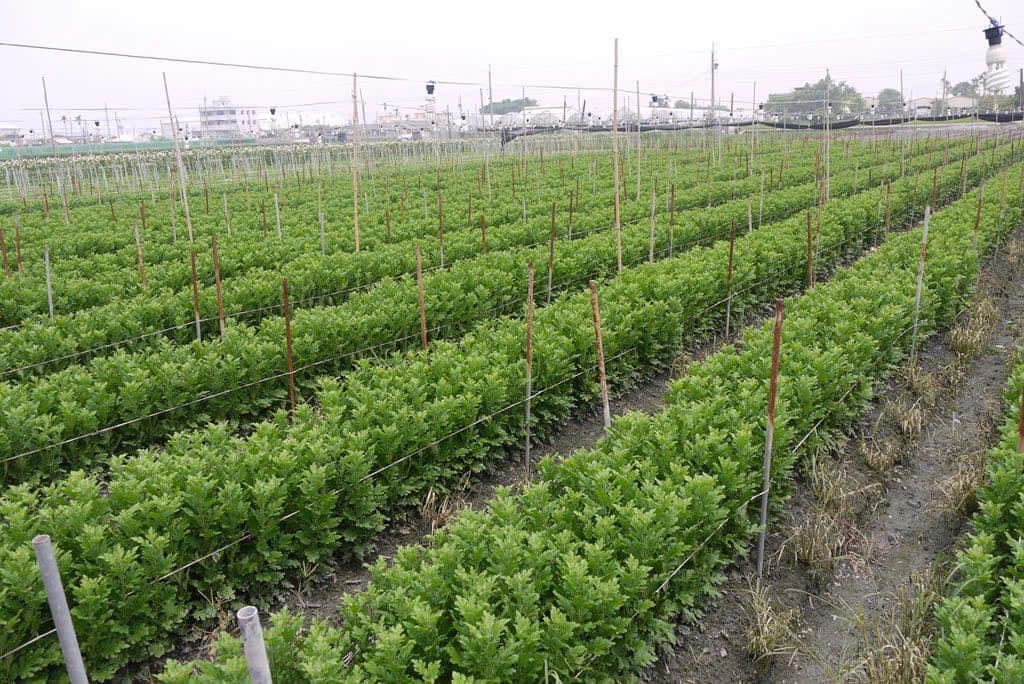
Deputy Minister of Agriculture and Rural Development Trần Thanh Nam points to the record: the ministry, provinces, businesses and farmers have pushed the application of science and technology and built many models along green, clean, sustainable lines. In rice, that means models such as "flower banks beside the rice field", "one must do, five reductions", and large-scale VietGAP fields. In fruit growing, it means GAP cultivation protocols and the use of biogas in livestock farming. In aquaculture, it means quality control from pond to plate.
Challenges and the direction ahead
Minister of Agriculture and Rural Development Lê Minh Hoan notes that through the difficult course of the COVID-19 pandemic, agriculture held its role as the buttress of the economy, securing food supply and social welfare. Yet the sector faces large challenges, both internal and external: climate change, market volatility and shifts in global consumer behaviour.
The direction now is towards green and ecological agriculture, through coordinated protocols and technologies; sensible, economical use of farm inputs; and efficient use of natural resources without harm to the environment or to human health.
Former Minister of Agriculture and Rural Development Cao Đức Phát has argued that agricultural strategy needs new and quite different thinking. Produce must not only meet consumers' food safety expectations but satisfy new demands as well — among them the demand for low-carbon products.
Organic farming at Hoang Gia farm, Tu Van hamlet, Le Loi commune, Thuong Tin district, Hanoi.
The bottlenecks that remain
Green agriculture in Vietnam has clearly come a long way. In practice, though, several bottlenecks remain: there is no master plan for organic production and no dedicated support policy; few "made in Vietnam" bodies inspect and certify organic production, so most certification is bought from foreign organisations at high cost; farming still rests on smallholdings, which makes the closed, concentrated production that green agriculture favours difficult; consumers do not yet fully trust organic produce or know how to tell it from ordinary produce; skilled people in organic production remain scarce relative to demand; and there are no flagship programmes with resources to match that could produce a breakthrough.
Organic farming in numbers
One form green agriculture takes is organic production. Ministry figures show organic farmland grew from 53,350 ha in 2016 to about 237,693 ha in 2019. Forty-six of 63 provinces and cities are running or launching organic production campaigns; 17,168 farmers take part; 97 companies produce organically, 60 of them exporting, for turnover of about USD 335 million a year.
A 2020 survey by the international agriculture organisation found Vietnamese organic produce is consumed domestically and exported to 180 countries, including the United States, the European Union, China, Japan, Germany, the United Kingdom, South Korea, Russia, Singapore, France, Belgium, the Netherlands and Italy. Advanced models have appeared across the country, applying modern techniques and technology and standardised, environmentally friendly protocols. One example is organic vegetables in Quang Nam — notably the "Kapi Tropical Garden" project run by Bùi Thị Thanh Sương in Dien Ngoc, Dien Ban, where more than 1,000 m² under hydroponics has won customers' trust on the strength of produce that is safe to eat. She is also studying how to combine clean farming with ecotourism. Several southern provinces are developing organic production for importers serving Europe, North America and Japan. Ca Mau has run an organic aquaculture project combined with mangrove conservation; An Giang has drawn up a plan for organic pangasius that raises farmers' margins by 15% against conventional methods.
Green agriculture as the OECD defines it
The OECD describes green agriculture as a model that maximises clean agricultural resources to arrive at farming that develops sustainably and protects a clean environment. It gives farmers better yields and returns while protecting the environment and public health.
Author: ISATS
Updated September 5, 2026