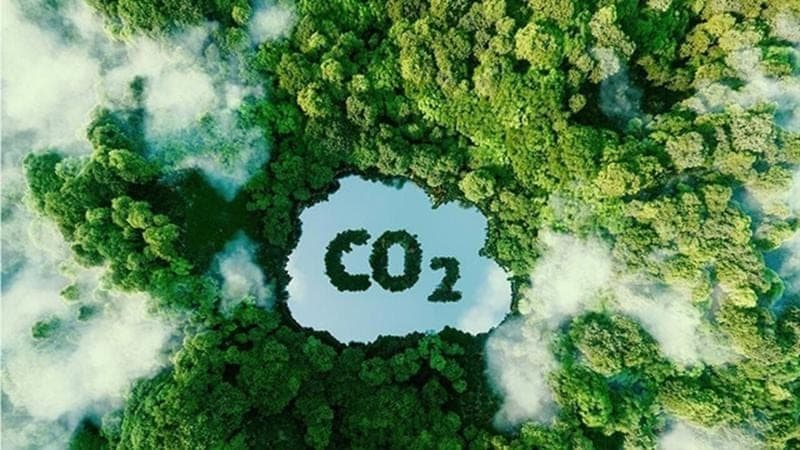
Vietnam is regarded as having considerable potential to supply carbon credits. On one estimate, agriculture alone could yield 57 million credits a year — equivalent to 57 million tonnes of CO₂ absorbed.
Chairing a discussion with experts on carbon credits and emission reduction in agriculture last week, Minister of Agriculture and Rural Development Lê Minh Hoan said: "The carbon credit market will only grow busier. Vietnamese agriculture needs to get ahead of that trend to raise its returns."
Selling "air" for real money
What a carbon credit is
A carbon credit is a tradable certificate representing the right to emit one tonne of CO₂, or another greenhouse gas converted to its CO₂ equivalent. One credit equals one tonne of CO₂ or CO₂ equivalent.
According to the ministry, trading emission reduction credits is an advanced approach that more and more countries are adopting, and it has created the carbon market — a market for exchanging greenhouse gas reduction credits. What is bought and sold is the quantity of greenhouse gas reduced or absorbed. The parties may be companies trading with each other, or domestic organisations trading with international ones, whether financial institutions or businesses.
The sales already closed
Over the past few years Vietnam has closed carbon credit sales worth around USD 60 million in real money. The Vietnam Livestock Biogas Programme has run in 53 provinces and built 181,683 biogas works to date, benefiting a million rural people.
International organisations credit the biogas programme with contributing to greenhouse gas reduction. Through it, Vietnam has sold 3,072,265 carbon credit units for USD 8.1 million.
In 2023, notably, Vietnamese forestry sold 10.3 million forest carbon credits (10.3 million tonnes of CO₂) for the first time, through the World Bank. At USD 5 per tonne absorbed, the contract came to USD 51.5 million (about VND 1,250 billion). The World Bank has paid the first ERPA instalment of USD 41.2 million (about VND 997 billion) to the ministry, 80% of the emission reductions under the signed agreement. The remaining USD 10.3 million follows once the balance of 10.3 million tonnes of CO₂ has been transferred.
What Vietnamese agriculture could supply
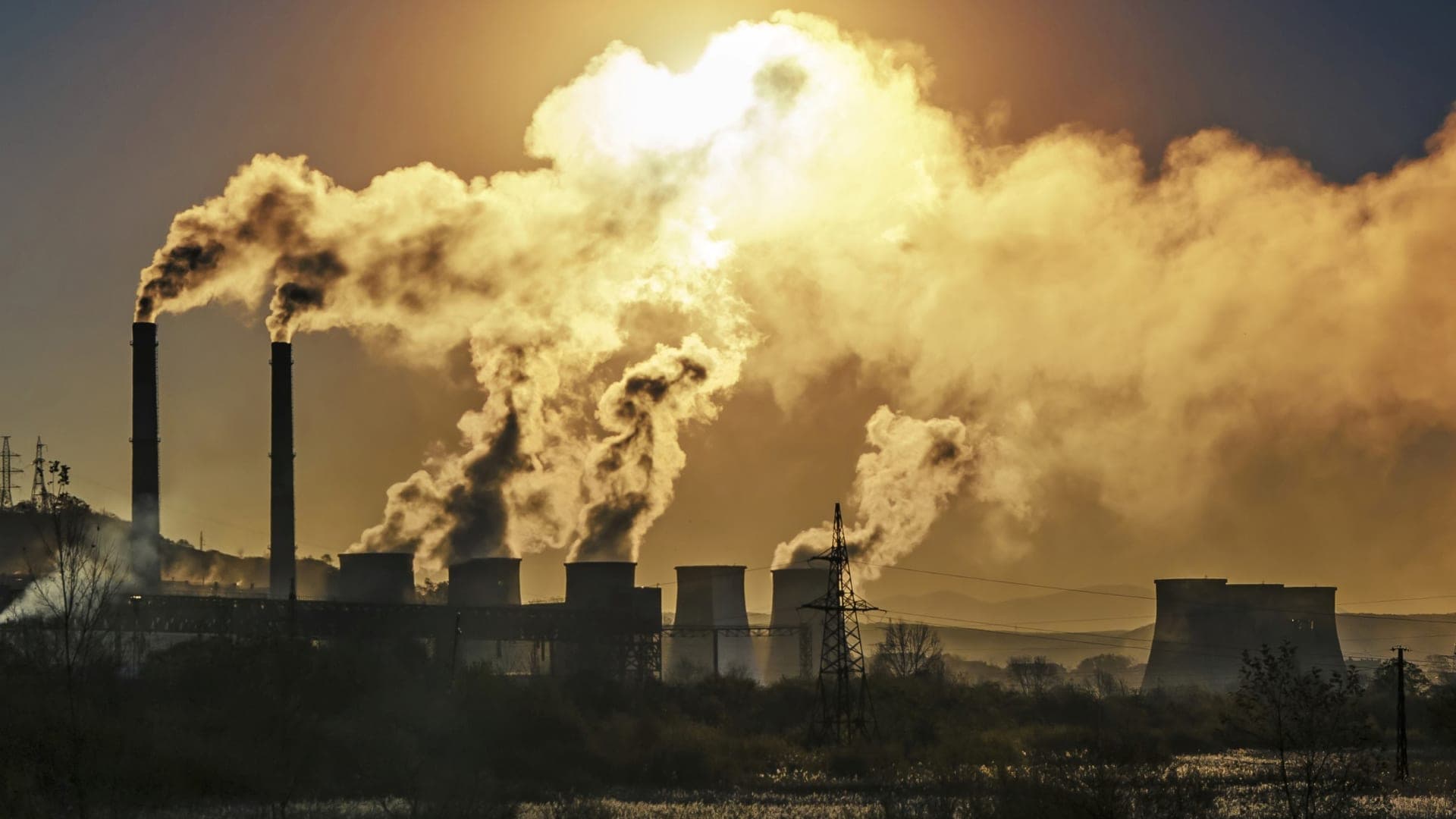
Lê Hoàng Thế, director of The VOS Ecosystem Co., Ltd, notes that Vietnam is among the countries whose carbon emissions are growing fastest. Vietnam was in the top 20 emitters in 2022, with growth of 57.3% between 2010 and 2022, placing it in the top 10 for the rate of emissions growth worldwide. Energy and industry (industrial combustion) have taken a rising share of Vietnam's emissions over the past 12 years.
Vietnam is also, he says, one of the countries with real potential to supply carbon credits, with strong economic returns as global demand is forecast to rise nearly a hundredfold by 2050. Vietnamese agriculture — livestock, crops and forestry alike — can shift towards lower-emission production through circular agriculture, ecological agriculture and organic farming.
"International organisations are currently buying each carbon credit — one tonne of CO₂ reduced — at USD 5. In Vietnamese agriculture alone, the potential is estimated at 57 million credits a year, or 57 million tonnes of CO₂ reduced, which could be sold internationally for close to USD 300 million a year," he said.
Changing how we think, to keep up with where the world is going
Regenerative agriculture in practice
As Vietnam pursues green and circular economy programmes and its UN climate commitments, including net zero carbon by 2050, Thế argues the country needs a large, professional workforce to build a compulsory carbon credit market. That workforce needs deep knowledge of validation mechanisms, the documentation involved, and how to declare and assess the different types of carbon credit.
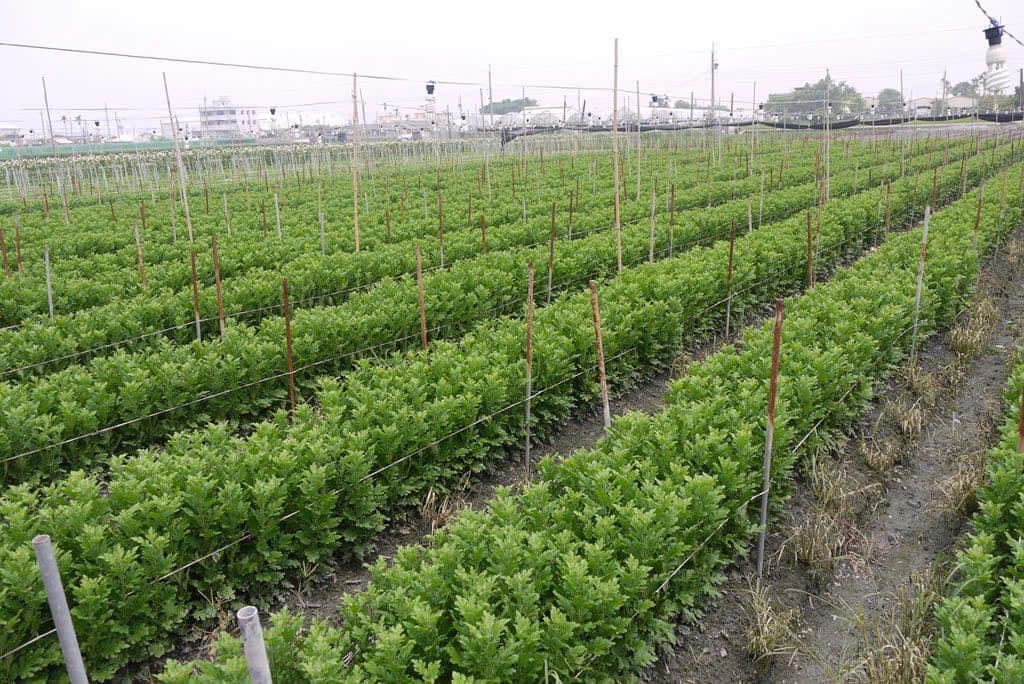
Thế adds that The VOS practises regenerative agriculture: growing acacia hybrid, intercropping acacia with red reishi mushrooms under the canopy, and managing forest regeneratively alongside investment in FSC-FM forest certification. "The whole idea of regenerative agriculture is to draw carbon out of the air and into the soil, which improves the soil, the water cycle and the environment. It rests on six principles: maximise soil cover, minimise soil disturbance, maximise crop diversity, keep living roots in the ground year-round, and integrate livestock," he said.
The market buys the method, not just the product
Minister Lê Minh Hoan observes that we have long talked about producing for the market without understanding what the market wants. Exporting to the United States means meeting a great many demanding standards. Not every market is the same — but each one's requirements have to be understood, so that state management can steer Vietnamese produce further afield and into premium markets, which will increasingly mean carbon credits, eco-labels and organic certification.
"People no longer buy only the product; they buy how it was made. Our task is to change how we think so we keep up with how the world is changing — that is what matters. Scientific thinking has to change, business thinking has to change, and our own thinking has to change. Open minds, quick action, real results," the minister said. In time, he added, a rice farmer will not only sell rice and a fruit grower will not only sell fruit: rice is also grown for the straw and husk, and for visitors to come and see. Above all, farming will also be a way to sell carbon credits. "Selling air" is not a fantasy — we have already done it for real money. The carbon credit market will only grow busier, and Vietnamese agriculture needs to get ahead of it to raise its returns.
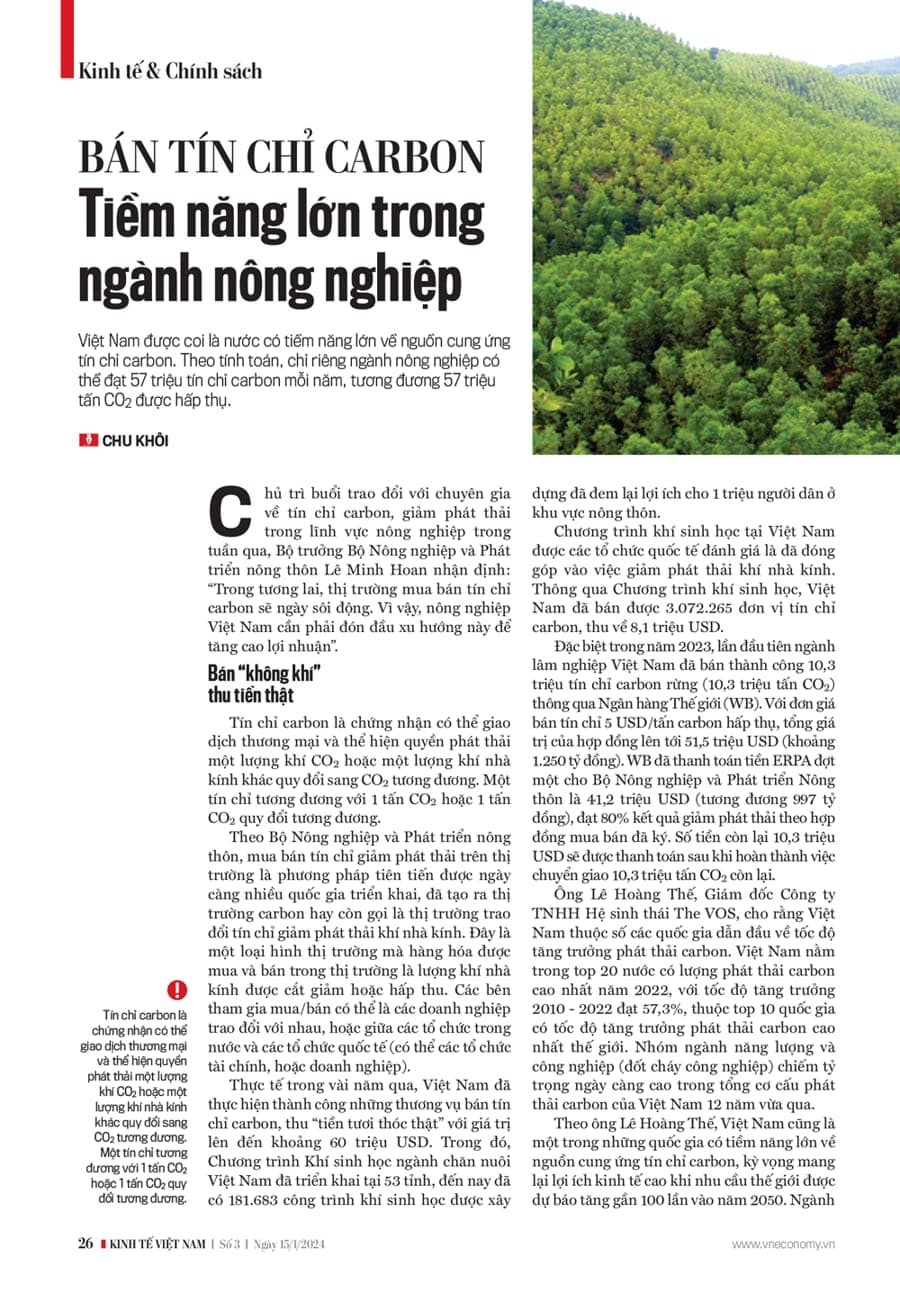
This article appeared in Vietnam Economic Times issue 03-2024, published 15 January 2024. Read it here:
Source: vneconomy.vn
Updated September 5, 2026