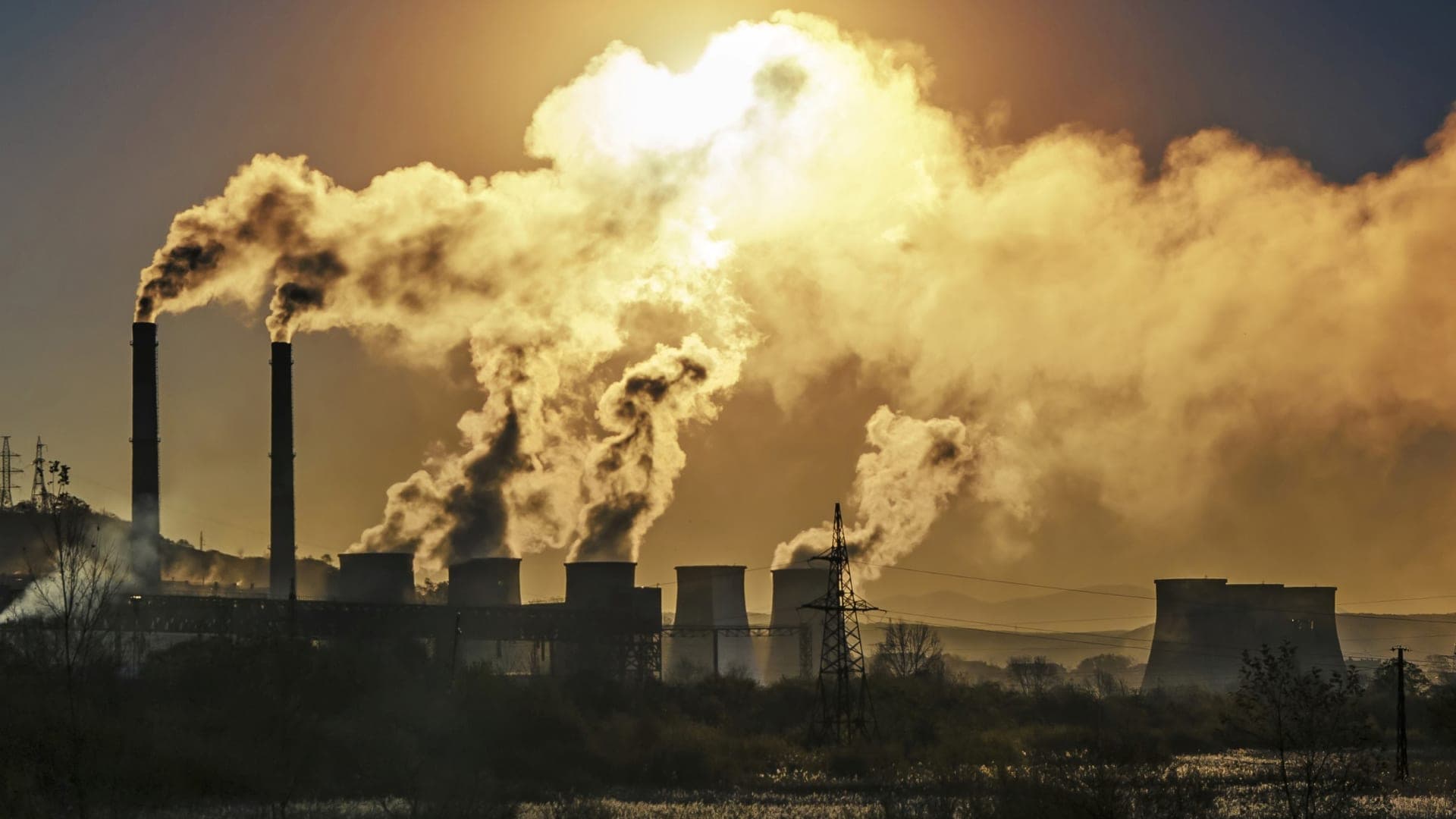
Individuals and companies around the world recognise how much cutting greenhouse gas emissions matters, but almost none can erase their carbon footprint on their own. This is where the voluntary carbon market comes in.
Offsetting emissions through carbon markets
Through carbon markets, individuals and companies can neutralise — or offset — their emissions by investing in avoiding or reducing emissions, or in projects that remove carbon from the atmosphere. A company can also pay another company that has room left in its carbon "budget".
The price and accounting of a carbon credit generally rest on the dollar value needed to cut one tonne of carbon (or other greenhouse gases) from the environment. Every tonne an environmental project avoids or removes creates one carbon credit.
Verified emission reductions (VERs) — also called carbon credits, or carbon emission reduction credits — are reductions from an offset project that has been independently audited against a third-party verification standard. Traditional offset project types include reforestation and improved forest management, methane capture and destruction, and fuel switching.
Confirming that those reductions actually happen is what makes the whole thing work. Here is how it is done.
How are reductions verified?
Before any greenhouse gas reduction can be certified for use as a carbon credit, it must be shown to meet specific credit quality criteria. Most carbon credit programmes have approved methodologies (also called protocols) covering a range of project types.
The common standards
The verification standards most common on the voluntary carbon market are:
- Verified Carbon Standard (VCS) — the global standard for voluntary greenhouse gas reductions and removals. VCS sets the rules and requirements every offset project must follow to be certified. Verra oversees the VCS programme and is responsible for keeping its rules current [1].
- Climate Action Reserve (CAR) — a US offset programme focused on transparency in the North American voluntary carbon market. CAR oversees a number of independent verification bodies, and issues and tracks the credits generated by offset projects in a publicly accessible system, or registry. CAR's greenhouse gas reduction programme is approved under VCS [2].
- Gold Standard — a certification mark programme that confirms carbon credits are verifiable and that projects make a measurable contribution to sustainable development. It is open to any non-governmental community organisation. To qualify, a project must align with the United Nations development goals and reduce one of three greenhouse gases: carbon dioxide, methane or nitrous oxide [3].
- American Carbon Registry (ACR) — oversees the registration and verification of carbon offset projects on the voluntary market and on California's regulated carbon market. On the voluntary side, ACR oversees the registration and independent verification of offset projects from around the world.
What does the verification process involve?
Every credit issued under any of the major carbon standards goes through extensive verification by an accredited independent verification body. The activities differ by project, but generally include continuous monitoring and reporting to confirm that the mitigation is happening as planned.
The registry system
All projects must be tracked in registries so that reductions are not double counted. Greenhouse gas registries are systems for reporting and tracking project information, including credits generated, ownership, sale and retirement.
There are dozens of greenhouse gas registries worldwide, and most fall into two categories: emissions tracking registries and carbon credit accounting registries.
Emissions tracking registries identify reductions at source, so that others can follow credits as they enter the carbon market. In the United States, voluntary registries that collect company emissions data include the Emissions Database, the California Climate Action Registry and the Department of Energy's 1605(b) Voluntary Reporting Program.
Carbon credit accounting registries, by contrast, are built for transaction tracking — following ownership of VERs as they are bought and sold. All Gold Standard projects, for example, are retired on the IHS Markit registry, an independent organisation that increases transparency in global environmental markets.
The modern exceptions
It is worth noting that some of the most modern carbon removal projects are not verified in the traditional way. A growing number of companies are investing in engineered carbon removal, using technology to pull carbon dioxide out of the atmosphere and store it underground, reuse it or turn it into minerals. Carbon credits remain an effective tool for bending the climate curve, but scientists warn that the need for climate action will soon outrun what emission reductions alone can deliver.
Source: patch.io
Updated September 5, 2026