Vietnam has just received its first VND 1,000 billion from the World Bank for the transfer of forest carbon credits. In 2020 the Ministry of Agriculture and Rural Development and the World Bank were entrusted by the Forest Carbon Partnership Facility to handle emission reduction payments for the North Central region.
Carbon credits as a route to green, sustainable growth
Under the agreement Vietnam transfers 10.3 million tonnes of CO₂ in emission reductions from the North Central region over 2018–2024 to the Forest Carbon Partnership Facility through the World Bank. At USD 5 a tonne, that is USD 51.5 million, or roughly VND 1,250 billion.
The reductions transferred were generated by natural forest in 2018–2019. This is Vietnam's opening to sell carbon credits on the voluntary market and to create finance for protecting and developing forest in the North Central region.
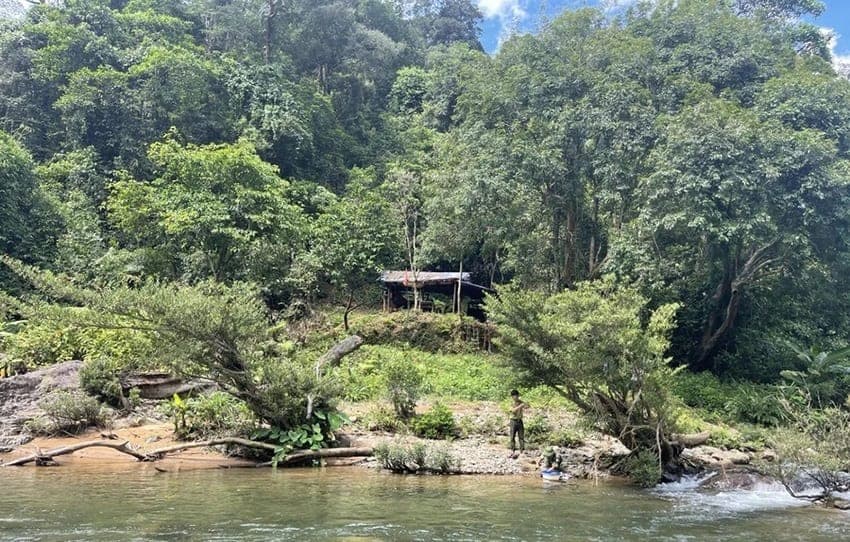
Vietnam has more than 14. 7 million hectares of forest — roughly 40 to 70 million forest carbon credits that could be sold for tens of thousands of billions of dong. Pictured: Quang Binh province received more than VND 235 billion from carbon credit sales. Photo: TL.
By August 2023 the World Bank had paid the first instalment of USD 41.2 million, about VND 997 billion. Vietnam has since transferred the remaining credits, and the Bank is processing the final USD 10.3 million (close to VND 250 billion).
The money goes to forest owners, commune people's committees and the organisations charged with managing natural forest. Part of it also goes to other groups working on forest development and on reducing deforestation and degradation, raising incomes and improving livelihoods for people who work in forestry.
Lê Văn Thanh, deputy director of the Vietnam Forest Protection and Development Fund — the body receiving the first instalment for distribution to forest owners — said that from October 2023 the fund had allocated more than VND 962 billion to the forest protection and development funds of six North Central provinces.
Thanh Hoa received close to VND 163 billion; Nghe An close to VND 283 billion; Ha Tinh close to VND 123 billion; Quang Binh more than VND 235 billion; Quang Tri more than VND 51 billion; and Thua Thien-Hue more than VND 107 billion.
"Taking part in the forest carbon credit market gives forest owners, the farmers who actually keep the forest standing, an additional income. Provinces also gain finance for forest management and protection, and for improving the quality of forest ecosystems in their area," he said.
Tens of thousands of billions are possible, but businesses are holding back
Vietnam has more than 14.7 million hectares of forest and cover above 42%, including more than 10 million hectares of natural forest. Over 2021–2030, Thanh estimates, Vietnam holds roughly 40 to 70 million forest carbon credits that could be sold on the world market.
At that scale, Vietnam could earn tens of thousands of billions of dong from transferring forest carbon credits. More importantly, its ecosystems improve as forest is kept and extended — which is how Vietnam reaches the net zero target for 2050 it committed to at COP26.
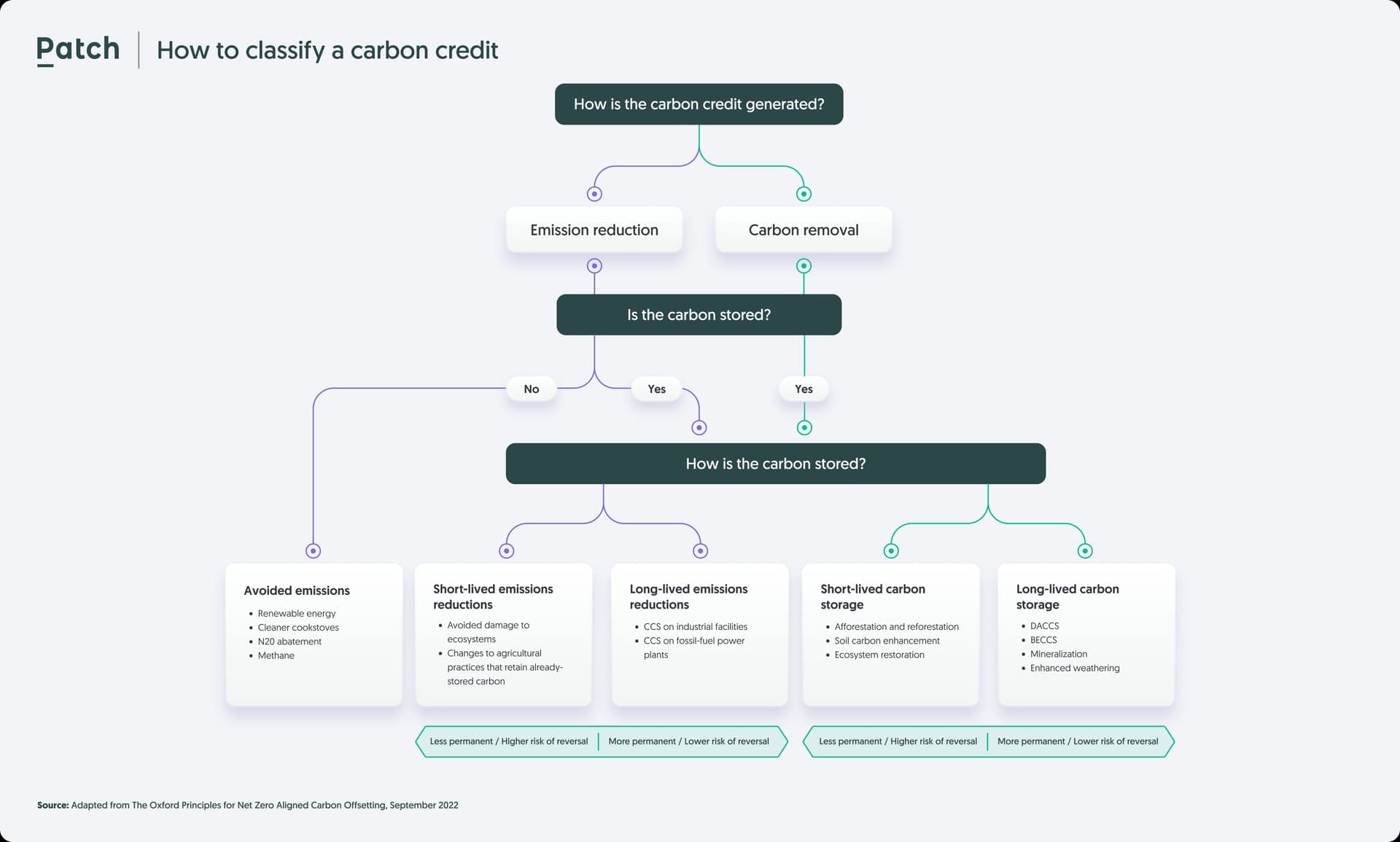
A carbon credit is a permit allowing a producer or business to emit CO₂. Each credit represents one tonne of CO₂, or one tonne of another greenhouse gas converted to CO₂ equivalent (CO₂e). Forest carbon credits are determined from the CO₂ or CO₂e generated by reducing emissions from deforestation and forest degradation (REDD+). A forest owner can convert forest area into absorbed CO₂, then into carbon credits, and sell them.
"As of the latest update, alongside the North Central emission reduction payment agreement we are piloting, several international organisations and foreign companies have approached Vietnam to negotiate the purchase, exchange and transfer of forest carbon credits," Thanh said.
Vietnam expects, for example, to transfer 5.15 million forest carbon credits from the Central Highlands and South Central regions over 2022–2026 at USD 10 per tonne of CO₂. The ministry is preparing the documentation and conditions for those negotiations.
A number of provinces have also drawn up their own schemes, asking the Prime Minister to allow pilots of forest carbon absorption and storage services.
Demand for exchanging, transferring and commercialising forest carbon credits domestically is clearly growing. But Vietnam still lacks specific rules and guidance, has no regulation for connecting to international markets, and has no exchange for greenhouse gas allowances and carbon credits — which is why businesses are not yet investing boldly.
Trần Quang Bảo, director of the Forestry Department, said the Ministry of Finance and the Ministry of Natural Resources and Environment are finalising a scheme to establish a domestic carbon market. The Ministry of Agriculture and Rural Development has also submitted to the Government a draft decree amending Decree 156/2018, proposing to add provisions on piloting payments for forest carbon absorption and storage, reducing greenhouse gas emissions by limiting deforestation and degradation, sustainable forest management and green growth.
"Once the amending decree is issued, together with the initial results from the North Central emission reduction agreement, we expect a legal framework and a solid basis for rolling out forest carbon absorption and storage services nationwide. That is the groundwork for connecting and adapting quickly when the carbon credit exchange formally opens in 2028," he said.
A national carbon credit exchange has been proposed
At a meeting on 8 January on the scheme to establish a carbon credit market in Vietnam, Deputy Minister of Finance Lê Tấn Cận said one of the market's goals is to raise the competitiveness of Vietnamese businesses, moving towards a low-carbon economy and an active response to climate change.
Two things would trade on Vietnam's carbon credit market: greenhouse gas emission allowances, and carbon credits certified by the Ministry of Natural Resources and Environment, traded on the domestic exchange.
Given that many countries have already set up carbon credit exchanges, the Ministry of Finance proposes the same model for Vietnam. Vietnam's market must also connect internationally, so that foreign companies can invest and operate here with confidence.
Author: ISATS
Source: thunghiemngaynay.vn
Updated September 5, 2026