Vietnam is among the countries hit hardest by global climate change. Natural disasters and shifting weather patterns pose serious risks to its people, its agriculture and its infrastructure.
Recognising how urgently climate action is needed, Vietnamese specialist agencies have in recent years invested people and resources in strengthening the response. On this subject, the Environmental Geography review interviewed Đặng Trường Giang, head of carbon assessment at ISATS.
What is the current state of climate change?
Fossil fuel use, livestock farming and deforestation have all passed sustainable limits, and are increasingly driving abrupt changes in climate and in the Earth's temperature. This intensifies the greenhouse effect and global warming. The greenhouse effect is the principal cause of climate change: gases in the atmosphere behave like the glass of a greenhouse, holding the sun's heat and preventing it escaping back into space.
Many greenhouse gases occur naturally, but human activity is increasing their concentration in the atmosphere — carbon dioxide (CO₂), methane, nitrous oxide and fluorinated gases.
CO₂ from human activity is the single largest cause of global warming. By 2020 its atmospheric concentration had risen 48% above pre-industrial levels (before 1750). Other greenhouse gases are emitted by human activity in smaller volumes. Methane, for instance, is a more powerful greenhouse gas than CO₂ but is shorter-lived in the atmosphere. Nitrous oxide is long-lived and accumulates over decades to centuries. Air pollutants that contribute to the greenhouse effect have different warming and cooling effects and are also tied to other problems, such as declining air quality.
Natural causes such as changes in solar radiation or volcanic activity are estimated to have contributed less than plus or minus 0.1°C to total warming between 1890 and 2010.
What are the consequences and potential effects of climate change?
Climate change is a very serious threat, and its consequences reach into many parts of our lives. Natural consequences: rising temperatures; drought and wildfire; declining freshwater quality and supply; flooding and sea level rise; threats to biodiversity; and effects on soils, on rivers and lakes, and on the ocean. Social consequences: worse human health; more vulnerable populations; and direct effects on the livelihoods of most working people.
Threats to business: shortages of energy for production; declining raw materials and a degraded operating environment for agriculture and forestry-related sectors; and rising costs for property insurance and other exposures. The potential effects of climate change also raise questions of national territorial boundaries.
What is driving emissions higher?
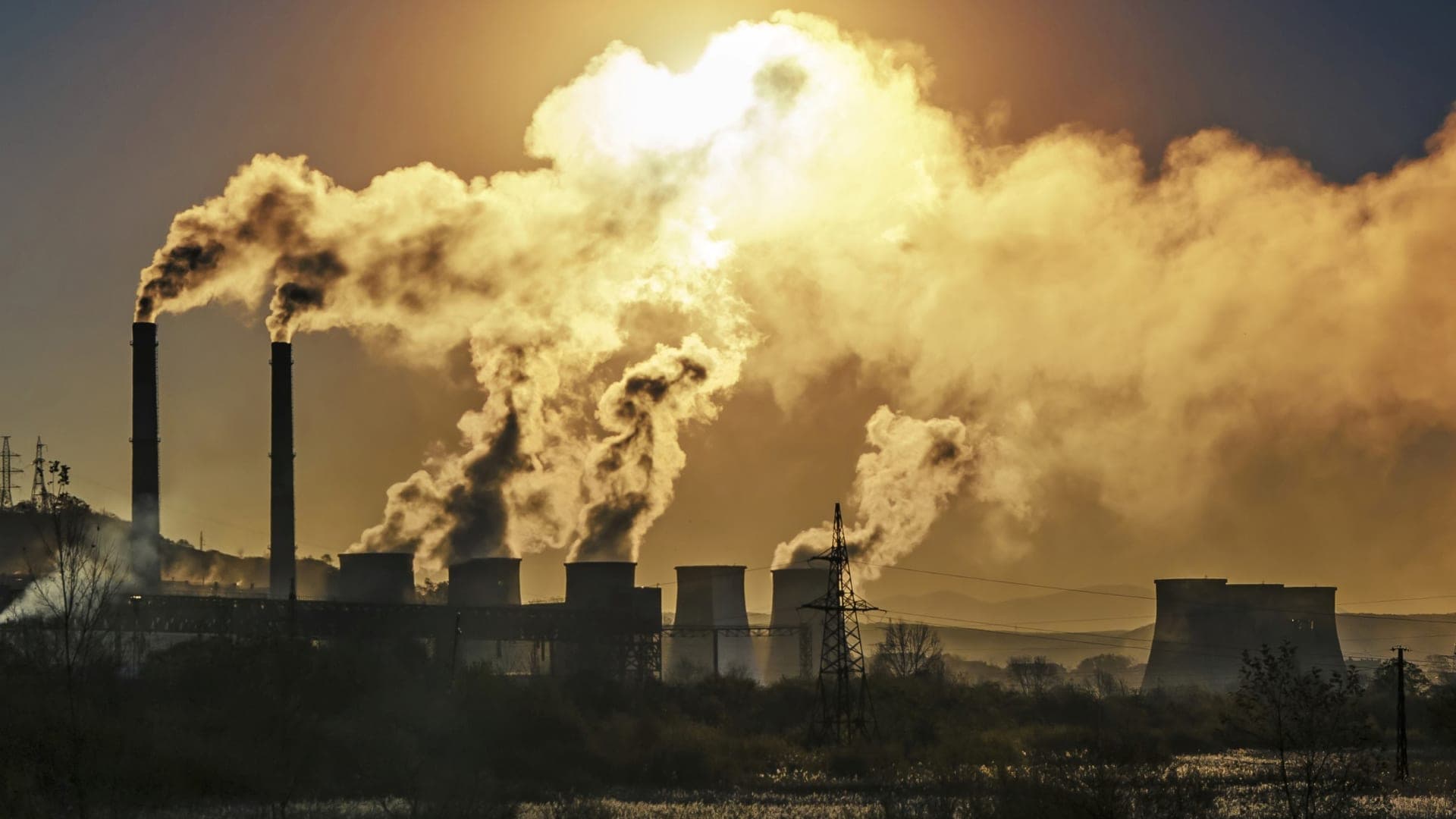
Chiefly a chain of long-running, poorly controlled activities: burning coal, oil and gas, which produces carbon dioxide and nitrous oxide, and above all deforestation. Trees regulate the climate by absorbing CO₂ from the atmosphere; as tree cover and forest area fall, so does the volume absorbed, and that is one of the causes of the greenhouse effect.
Livestock farming at today's scale also emits a large volume of methane. There are also fluorinated gases released from the equipment and products that use them. These have a very strong warming effect — up to 23,000 times that of CO₂.
What action have we taken to address climate change and cut emissions?
Since every tonne of CO₂ emitted contributes to warming, every measure that reduces emissions slows the process to some degree. Stopping global warming entirely means global CO₂ emissions reaching zero. Reducing other greenhouse gases, methane in particular, can also have a strong effect, especially in the short term.
Climate change affects every region on Earth. Polar ice is melting and sea levels are rising. In some regions extreme weather and rainfall are becoming more common, while others face more severe heatwaves and drought.
We need climate action now, or these effects will only grow. Adaptation means acting to adjust to the present and future effects of climate change. An emissions trading system — a "cap and trade" approach — reduces emissions through the carbon credit market.
You mentioned that emissions can be reduced through the carbon credit market. What is that market?
I have been exploring these questions recently at forums with leading experts in Asia and Europe. Here is some of what we discussed.
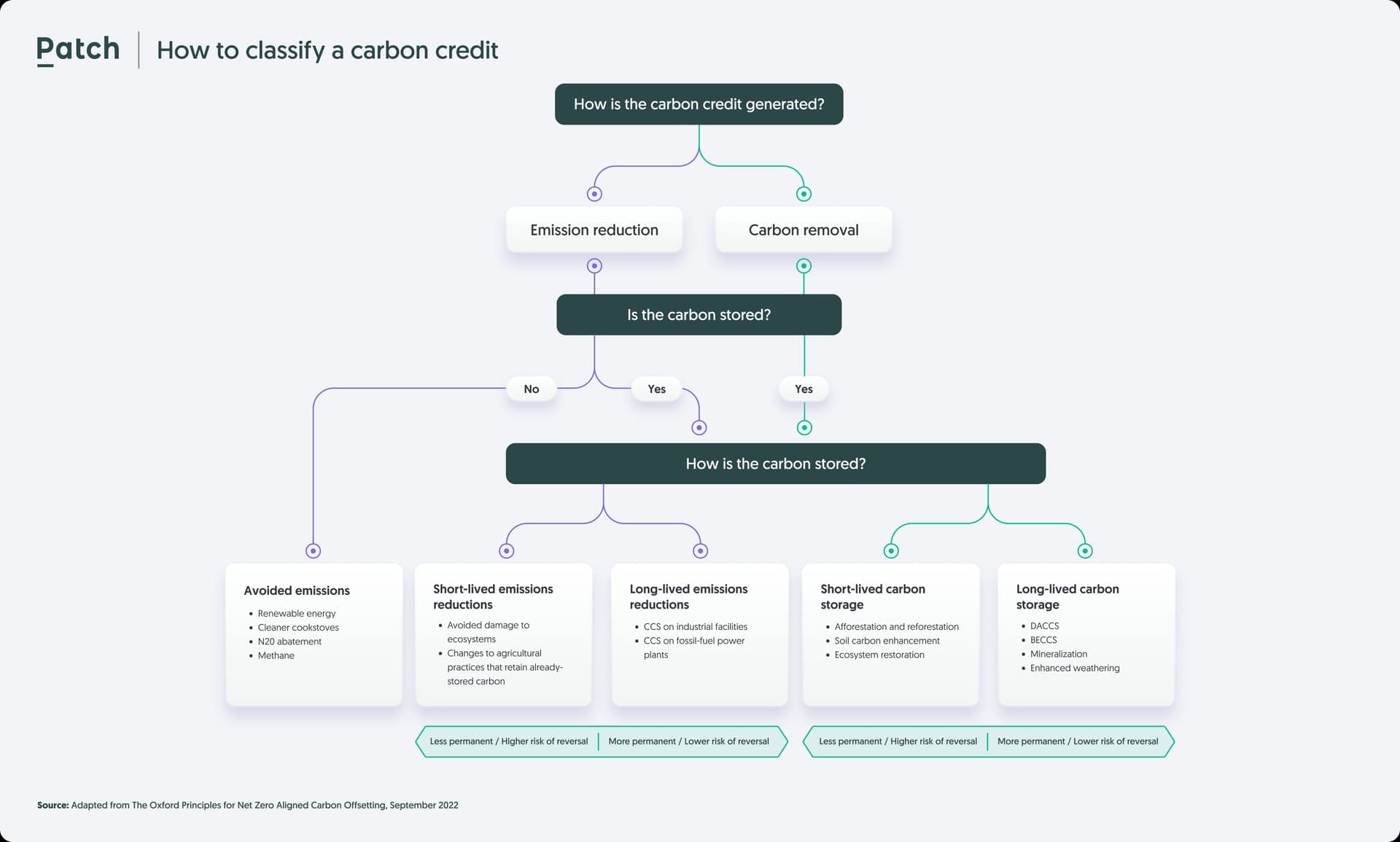
There are two carbon credit markets: compliance programmes and voluntary programmes. Compliance markets are a market-based approach to reducing carbon emissions — the European carbon border mechanism, and the carbon credit markets of Japan, China, South Korea, North America and Africa. The voluntary carbon credit market is voluntary carbon credit trading, also known as offsetting. Businesses drive the voluntary market by buying carbon credit offsets of their own accord, not for compliance purposes but to meet emissions balancing goals.
What does the carbon credit market contribute to climate action and emission reduction?
To understand this properly, we need to recognise that capturing, using and storing carbon credits and reducing emissions is not enough on its own. We also have to capture the carbon already in the atmosphere.
The sustainable carbon cycle: carbon is the atom of life, of our society and our economy. It is part of our DNA, of the food we eat, the products we use daily, the fuel that powers our homes, vehicles and factories, and the materials we use to build our cities.
Forests and agriculture: forests and farms are the foundation of the fight against the climate crisis.
Protecting the ozone layer: why the ozone layer matters and what we are doing to protect it.
The European Climate Change Programme was set up in 2000 to help identify the best policies for cutting greenhouse gas emissions; in the United States the equivalent dates from 1990.
At the 1992 Earth Summit in Rio de Janeiro, Japanese delegates first proposed an independent non-governmental organisation and think tank to research and advocate on environmental policy. That led to the founding of the Japan Center for a Sustainable Environment and Society in June 1993. Net zero by 2050 is a realistic goal; for Vietnam it is a challenge. Building that low-carbon future will take a great deal, boldness and new solutions among it, along with investment and cooperation.
To make that future real, we need to work with organisations across a range of low-carbon energy projects. Some in Vietnam include environmental, social and governance strategies, institution building, carbon market development, deployment of energy storage systems, green technology, green industrial parks, and green fuels such as electric vehicles, wind power and solar power.
Why do we need a carbon market?
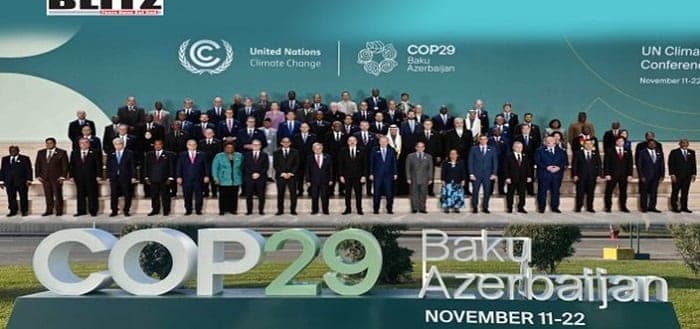
The provisions of the Paris Agreement make the importance of carbon markets clear. After six years of negotiation, countries at COP26 agreed new rules establishing an international governance framework for carbon markets. The aim was to clarify some of the complexity around the new market architecture, and to examine how the new mechanisms can drive investment in clean energy projects and emission reduction. These rules bear on compliance markets, but they can also affect voluntary markets indirectly, where private actors exchange carbon credits to meet their own balancing and reduction goals. Worldwide this has raised questions and debate, including "What does this mean for business?" and "Can carbon markets help us meet our Paris Agreement contributions?"
For Vietnam, a carbon market can help us maintain resilience and create new sources of economic growth that accelerate the energy transition.
How should Vietnam build and develop a carbon market? And how can we make use of the voluntary carbon market?
To accelerate the energy transition we need to build the infrastructure and expertise required to scale up the supply of high-quality carbon neutrality projects. Used responsibly, the voluntary carbon market can help provide that investment. A voluntary market creates a place for organisations — particularly heavy emitters in steel, waste, solid waste, oil, gas and chemicals, transport, livestock and aquaculture — to exchange their carbon offsets for investment in high-quality, low-carbon energy projects. Tapping this market has the potential to become a powerful instrument for accelerating the transition as we work towards net zero by 2050. It can give organisations agency in the transition and in meeting their sustainable development goals.
For this to work over the long run, the market must be designed to accelerate the energy transition, trading carbon as a commodity in a way that lets heavy emitters direct their own investment projects rather than simply pay a carbon tax. In Vietnam the voluntary carbon market is still nascent. One challenge is the lack of governance, institutions and available standards in this area: state bodies and businesses will have to prepare the necessary conditions for their investments. Another is carbon accounting. When organisations quantify their greenhouse gas emissions, how do they quantify their effect, and are two organisations counting the same offset, the same emissions data? Which raises the question: could a carbon market open a large loophole for the biggest emitters?
These challenges point to the need for transparency and integrity as the market develops. Voluntary markets have an important place in our carbon neutrality toolkit, and that serves the state, business and the environment alike. They can accelerate renewable energy projects, generate additional emission reduction revenue and improve project bankability. This market can play an essential part in unlocking carbon neutrality with the right investment, allowing domestic and foreign organisations to back low-carbon projects and build a sustainable future for Vietnam.
What has Vietnam done to make a carbon market real?
Vietnam has begun supporting work towards a pilot carbon market in 2025 and formal operation in 2027, effective and transparent. A key part of this is establishing a platform where organisations can trade high-quality carbon credits. The platform is designed to align with global standards and to guide investors through this new market.
Environmental integrity has to sit at the centre of Vietnam's energy transition. In the race to net zero, we must look at new ways to accelerate the change and make sure the transition is fair to people and to the environment.
Thank you.
Updated September 5, 2026